MPH NEWSLETTER VOL. 26
MPH Newsletter, Vol. 26
Hi there,
February is Black History Month, a time to celebrate, honor, and reflect on the immeasurable contributions Black leaders have made to public health, healthcare, and community wellbeing. At Moxley Public Health, we believe that equity is not a side conversation in public health; it is the work. This month especially, we pause to recognize the Black women whose leadership, research, advocacy, and courage have shaped healthier communities across generations.
Black History Month: Honoring Black Women in Public Health
Black women have long stood at the forefront of public health innovation and advocacy, often without the recognition they deserve. This month, we’re highlighting just a few whose work continues to inspire our field:
Dr. Rebecca Lee Crumpler – The first Black woman physician in the United States. She provided medical care to formerly enslaved individuals and was a strong advocate for women's and children’s health.
Dr. Joycelyn Elders – The first Black U.S. Surgeon General, who championed comprehensive health education, preventive care, and open conversations about public health issues.
Dr. Camara Phyllis Jones – A physician and epidemiologist whose groundbreaking work on structural racism and health inequities continues to shape national conversations and policy approaches.
Henrietta Leavitt (Public Health Nurse Leader) – Among the Black nurses who helped professionalize public health nursing and improve maternal and child health outcomes in underserved communities.
These women remind us that public health is deeply connected to justice, access, and voice. Their leadership continues to challenge systems and push our field forward.
Let’s talk about how we can help you center connection and inclusion in your next project. Schedule a FREE discovery call with us here.
Stay healthy,

MPH Updates!
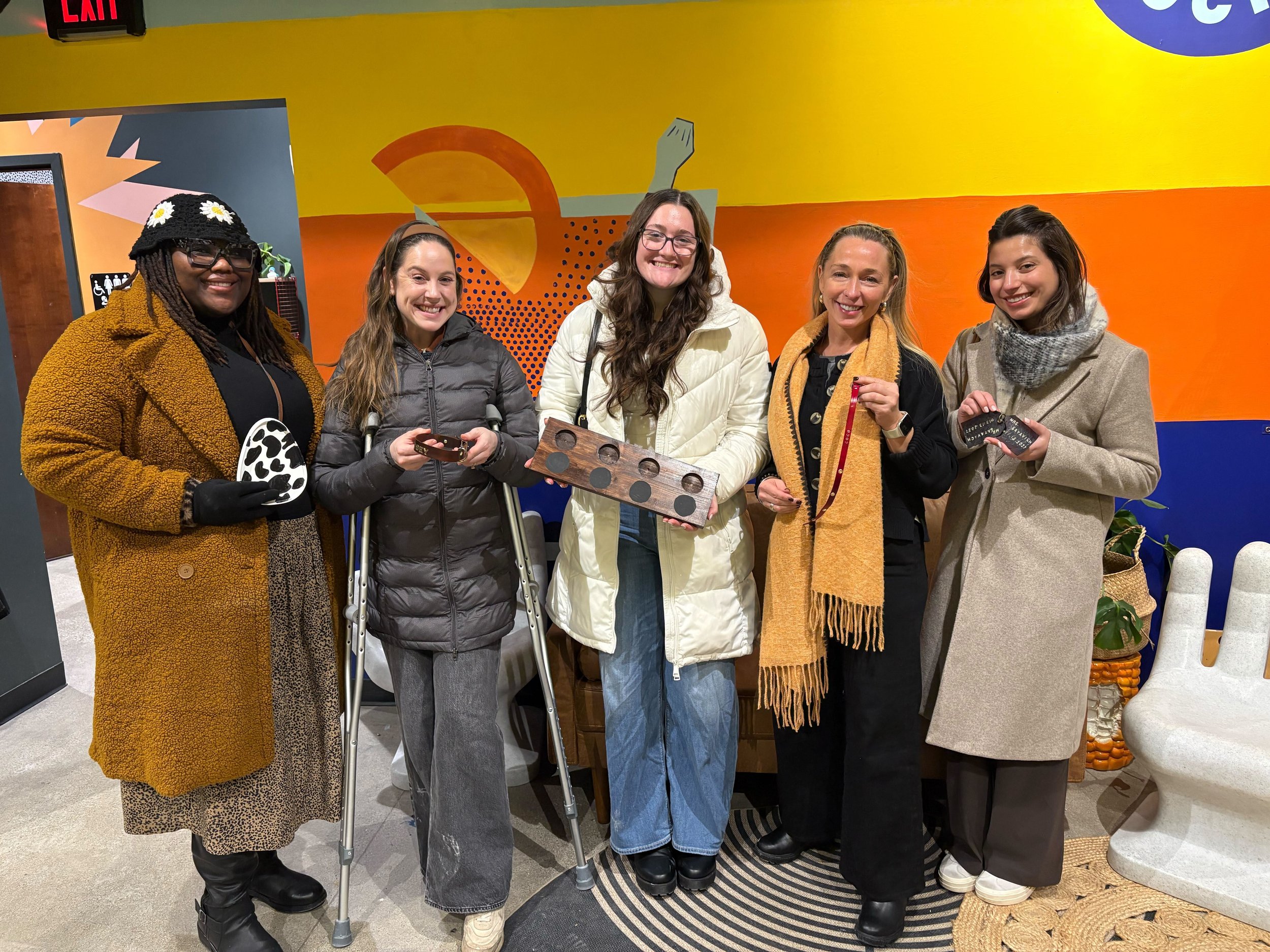
At the end of January, our entire team gathered in person for our annual planning retreat, and it was a special one. For the first time EVER, we were all together in the same room.
As a team we:
Set our strategic goals for 2026
Reviewed and refined updates to the MPH Toolbox
Talked through innovation, growth, and impact
Strengthened relationships (with plenty of laughter included)
There’s something powerful about stepping back to reflect on where we’ve been, and intentionally mapping where we’re headed next.
Jamaica Update
While we had originally planned our Jamaica trip earlier this year, the hurricane in November required us to reschedule. We are now heading to Jamaica in May.
Our commitment has not changed.
We will still be:
Hosting community health fairs
Conducting listening sessions and assessment work
Supporting a one-day Women’s Business Conference
Advancing women’s health initiatives in partnership with local leaders
If anything, this delay has only strengthened our dedication to showing up well, prepared, and aligned with the community’s needs.
Save the Date: Lunch & Learn (CHES Credits Available!)
Registration is Now Open for our next Lunch and Learn: From Doorsteps to Data: How Women Pioneered Community-Driven Public Health
March is Women's History Month, and we are celebrating by exploring the remarkable women whose groundbreaking work in the late 1800s and early 1900s laid the foundation for modern community health assessment and improvement planning. Participants will explore how these trailblazers used community engagement, primary data collection, and equity-centered approaches that mirror the very principles we apply in CHA/CHIP work today. Through reflection activities and group discussion, participants will examine their own CHA/CHIP processes through an equity lens and leave with at least one concrete commitment to honoring these women's legacy in their daily public health practice.
✨ CHES Credits have been applied for and will be provided to participants upon approval from NCHEC.

Black public health leaders were instrumental in advancing maternal health, vaccination efforts, community-based care, and health equity frameworks long before those terms were widely adopted. Many community health models we use today were pioneered through grassroots work in historically underserved communities.
Public Health Organization Spotlight

BLKHLTH is a national health equity organization dedicated to advancing health justice and improving health outcomes in Black communities. The organization works to shift power, build community leadership, and transform systems that have historically produced racial health disparities.
Through leadership development, narrative change, research partnerships, and community-centered programming, BLKHLTH equips emerging public health leaders and grassroots advocates with the tools to drive sustainable change. Their work emphasizes that health inequities are rooted not in individual behavior, but in structural racism, policy decisions, and unequal access to opportunity.
National public health data consistently show that:
Black communities experience disproportionately higher rates of chronic diseases such as hypertension, diabetes, and heart disease.
Black women face significantly higher rates of maternal morbidity and mortality compared to white women.
Communities with greater economic stability, safe housing, and access to quality healthcare experience better long-term health outcomes.
BLKHLTH’s work underscores a critical public health principle: improving health outcomes requires transforming the systems that shape daily living conditions, from housing and education to employment and healthcare access.
By centering Black leadership and community-driven solutions, BLKHLTH demonstrates how equity-focused strategies can move public health beyond awareness and toward measurable, structural change.
Explore their work, leadership initiatives, and health justice resources to learn how organizations can partner in advancing equitable health systems.
Recipe of the month

2 large chicken breasts
1/2 teaspoon garlic powder
1 teaspoon lemon pepper seasoning, see note
1 tablespoon olive oil
1 tablespoon butter
2 cloves of garlic minced
1/2 cup chicken broth
1 tablespoon lemon juice
1 cup heavy/whipping cream
1 pound uncooked potato gnocchi
1/2 cup freshly grated parmesan cheese
2 cups (packed) fresh baby spinach
Salt & pepper to taste
Instructions:
Cut the chicken in half lengthwise so you've got 4 thinner cutlets. Season each side with the
garlic powder and lemon pepper. If the lemon pepper seasoning you're using doesn't
contain salt, be sure to salt the chicken as well.
Add the oil and butter to a skillet over medium-high heat and let the pan heat up for a few
minutes. Sear the chicken for about 5-6 minutes/side or until it's golden and cooked
through. Transfer the chicken to a plate (tent with foil to keep warm if you wish).
Reduce the heat to medium and add the garlic to the skillet and cook for about 30 seconds.
Stir in the chicken broth and lemon juice and scrape up any brown bits from the bottom of
the pan.
Add in the cream and gnocchi. Give it a good stir and ensure the gnocchi is submerged in
the liquid. Let it bubble gently, uncovered, for 5-7 minutes, stirring occasionally, or until the
gnocchi is cooked and the sauce has thickened. The gnocchi will release starch as it cooks,
thickening up the sauce, so do not pre-cook the gnocchi. Keep in mind the sauce will
thicken more as it cools, so don't let it get too thick (add a splash more broth if needed).
Take the pan off the heat and add in the parmesan cheese and spinach. Toss until the
spinach has started to wilt and it's nicely mixed in. Add the chicken back into the skillet
(along with any juices from the plate) and spoon some sauce over top. Season with salt &
pepper as needed and serve immediately.
Pro Tip: Make it a community meal—invite a neighbor to join you or drop off a bowl for someone who could use a warm gesture!
MPH favorites to share with you…
Stephanie recommends Self-Made: Inspired by the Life of Madam C.J. Walker on Netflix. The series tells the story of Madam C.J. Walker, the first Black female self-made millionaire in America. She’s watched it multiple times for inspiration and loves learning about Walker’s life and journey.
And what does this have to do with public health? Everything. Economic stability directly impacts access to nutritious food, safe housing, healthcare, and education. Financial strain and poverty create chronic stress, limit healthcare access, and contribute to poor mental and physical health outcomes.
Caroline recommends exploring the online exhibits from the National Women's History Museum. The collection features engaging, accessible exhibits that highlight the stories and contributions of women throughout history, including several powerful exhibits focused on Black women. It would be an especially meaningful feature during Women’s History Month.
Charnesia recommends supporting SMARD Art, a Black-owned company that creates beautifully designed, culturally inspired puzzles and artwork. While their puzzles may not be on sale right now, she absolutely loves them and appreciates both the quality and the representation reflected in each piece.
Burk recommends Invisible Women: Exposing Data Bias in a World Designed for Men by Caroline Criado Perez.
In this thought-provoking book, Perez reveals how women have historically been excluded from the data that shapes our world — from medical research and drug trials to urban planning, workplace design, and technology. She explains that this gap is not always intentional, but often stems from a long-standing “male as default” mindset embedded in research, policy, and system design. Through real-world case studies and data, the book makes a compelling case for why closing the gender data gap is essential for creating a more equitable world.
For Black History Month, Madison recommends watching The Deadliest Disease in America. The documentary explores how racism has shaped the U.S. healthcare system, from historical medical experimentation on Black Americans to ongoing bias in care.
She values how it connects history to current public health issues and shows how systemic racism impacts access, treatment quality, and overall health outcomes. It is an educational and meaningful recommendation for anyone interested in health equity.
What our team is thinking about this month…
In honor of Black History Month, we’re reflecting on how equity shows up in everyday decisions, from who is at the planning table, to whose data is prioritized to how resources are allocated.
Progress in public health doesn’t happen accidentally. It happens when we intentionally center communities that have historically been excluded from decision-making.
Let us know what you need, sample policies, equity frameworks, community engagement strategies, assessment tools, or facilitation support. We’re here to partner with you.
Stay committed, stay inspired, and let’s continue building healthier communities, together.
With gratitude,
Moxley Public Health