MPH Newsletter, VOL 28
National Childhood Obesity Awareness Month
September 2026
Hi there,
September means back-to-school routines, packed backpacks, busy weeknights, and getting everyone back into a rhythm. But a healthy school year is about more than academics. It’s also an opportunity to think about how our schools, families, and communities can make healthy choices easier and more accessible for kids.
This month, we’re highlighting National Childhood Obesity Awareness Month and looking at the bigger picture behind childhood health — from physical activity and active transportation to nutritious school meals and food access.
At Moxley Public Health, we believe healthy communities are built by creating environments where children and families have the resources and opportunities they need to thrive.
Let’s talk about how we can help you center connection and inclusion in your next project. Schedule a FREE discovery call with us here.
Stay healthy,
MPH Updates
📣 Save the Date: October Lunch & Learn
Mark your calendars for October 7th for our next Lunch & Learn!
We’ll be talking all about our previous Jamaica trip, what we learned through the project, and — most importantly — how you can get involved!
We’d love to have you join us!
🌟 Welcome to the MPH Team!
We’re excited to welcome some new faces to the Moxley Public Health team!
Alanna and Jamison have recently joined our team as new interns, bringing their own interests, experiences, and perspectives to our growing team.
We’re also excited to welcome/reintroduce our summer interns, Nataly and Laila!
Nataly is a Sociology Public Health major at The Ohio State University; Laila is an Environmental Public Health major at The Ohio State University; Alanna is a Master’s of Public Health major at the University of Miami; and Jamison is a Public Health Pre-Med major at the University of Toledo.
We’re so excited to have all four of them contributing to the MPH team!
Want to get to know our interns? Check out their bios on the Moxley Public Health website.

Creating Healthier School Communities
Active Transportation: More Than Just Getting to School
For many students, the school day is one of the biggest opportunities to build physical activity into their daily routine. Walking or biking to school can help students get moving before and after the school day while also supporting a more active community.
Safe Routes to School efforts can help make active transportation a realistic option by focusing on safe sidewalks, crosswalks, bike routes, traffic safety, and community education.
Not every student can walk or bike to school — and that’s okay! The goal is to create communities where families have safe and accessible options.
Schools and communities can support active transportation by:
Promoting walking or biking when it is safe and appropriate
Supporting walking school buses or bike groups
“Walking school buses” are organized groups of children who walk to school together along a planned route, usually with one or more adults supervising them.
Improving sidewalks, crossings, and other pedestrian infrastructure
Educating students and families about pedestrian and bicycle safety
Working with local partners to identify barriers to getting to school safely
Physical activity doesn’t have to happen all at once. Small opportunities throughout the day can add up.
Nutrition & Food Access for Students
Healthy habits are also about having access to nutritious food.
For many students, school meals are an important source of daily nutrition. The National School Lunch Program provides meals that must meet federal nutrition standards, and school meals can be especially important for children experiencing food insecurity.
Supporting student nutrition means looking beyond what is on the lunch tray. Communities can also help connect families with:
School breakfast and lunch programs
Free and reduced-price meal programs
Backpack food programs
Food pantries and community food distributions
Summer and after-school meal programs
Local organizations addressing food insecurity
Healthy Snack Swaps
Healthy eating doesn’t have to mean completely changing the way families eat. Simple swaps can make snacks more nutrient-dense while still keeping them convenient and kid-friendly.
Consider swaps like:
Instead of: Chips
Try: Popcorn, whole-grain crackers, or a fruit-and-vegetable snack
Instead of: Sugary drinks
Try: Water, flavored water with fresh fruit, or unsweetened options
Instead of: Candy or cookies every day
Try: Fruit, applesauce, trail mix, or another favorite snack alongside a protein-rich option
The goal isn’t perfection. It’s creating realistic options that families can enjoy and maintain.
Approximately 1 in 5 U.S. children and adolescents have obesity. According to the CDC, the most recent national data estimate that 21.1% of children and adolescents ages 2–19 were obese during August 2021–August 2023.
But childhood obesity is not simply about individual choices.
Where children live, learn, play, and eat can all influence health. Access to nutritious foods, opportunities for physical activity, safe places to walk and bike, school environments, transportation, and community resources all play a role.
That’s why childhood health is a public health issue — and a community issue.
Looking Ahead: National School Lunch Week
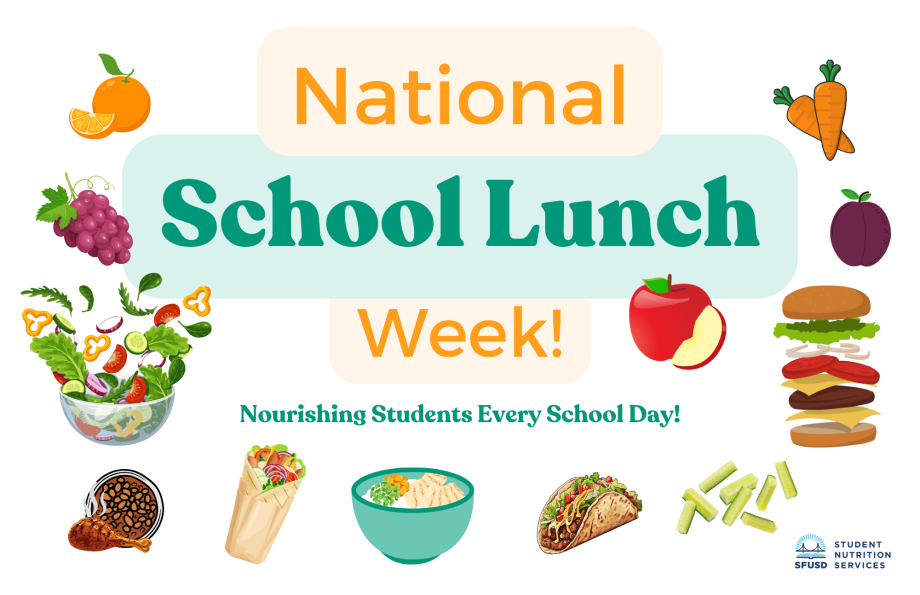
While we’re focusing on student nutrition this month, we’re also looking ahead to National School Lunch Week, October 12–16, 2026!
National School Lunch Week highlights the importance of healthy school meals and the role they play in supporting students both inside and outside of the classroom.
This is a great opportunity to recognize school nutrition professionals, learn more about what schools are serving, and remind families about the resources available to help ensure students have access to nutritious meals.
Public Health Organization Spotlight
This month, we’re highlighting Children’s Hunger Alliance, a statewide nonprofit working to end childhood hunger and ensure Ohio children have access to nutritious food.
Founded in 1970, Children’s Hunger Alliance partners with childcare providers, schools, afterschool programs, and summer programs to help provide nutritious meals and food education to children throughout Ohio. Their work includes weekend meals, summer meals, afterschool meals, and efforts to increase participation in school breakfast programs.
Food access is an important part of supporting children’s health. When children have consistent access to nutritious food, they are better positioned to learn, grow, and thrive. Children’s Hunger Alliance helps address food insecurity by bringing resources directly into the places where children live, learn, and play.
Their work is a great example of how nonprofit organizations can partner with schools and communities to address the broader factors that influence health — including nutrition, food security, and access to healthy meals.
Recipes of the month
🍎 A Full Day of Fun, Healthy Eats!
Instead of our usual one recipe, we decided to include a full, fun day of eats! From a colorful breakfast to a kid-friendly lunch, a snack they can help create, and a dinner the whole family can enjoy, these recipes show that nutritious foods can also be creative, delicious, and fun to make together.
Getting kids involved in choosing, preparing, and trying new foods can help make healthy eating a positive experience. This month, try picking one recipe to make together as a family and let the kids take the lead!
🌈 Eat the Rainbow for Breakfast! Build a colorful breakfast skewer with your favorite fruits, mini whole-grain pancakes, and a tasty yogurt or nut-butter dip. Kids get to build their own breakfast while exploring new colors, flavors, and textures.
🦔 Porcupine Sliders: Who says healthy lunches have to be boring? These bite-sized sliders are a fun way to add whole grains and nutritious ingredients to lunchtime. Let kids build their own mini sandwiches and create their very own “porcupine”!
❄️ Make Your Own Snack Bark! Skip the candy aisle and make a colorful frozen treat at home. Spread yogurt on a tray, add your favorite fruits and crunchy toppings, freeze, and break into pieces. It’s a snack kids can help create from start to finish!
🧀 Squish Squash Lasagna: Give a family favorite a veggie-packed makeover! This fun take on lasagna makes it easier to introduce vegetables in a familiar, comforting meal. Bonus: let kids help layer the ingredients before it goes into the oven!
MPH favorites to share with you…
Stephanie recommends Beehive Meals, a convenient option for families looking for easy, ready-to-go dinners during busy weeks. Beehive Meals offers crockpot meals delivered right to your door through a subscription service. The meals can be stored in the freezer and placed directly into the slow cooker on busy days for a hot, homemade-style dinner with minimal prep.
Stephanie has actually been using this meal-prep strategy for years, long before discovering Beehive Meals. Every few months, she would batch-make several crockpot recipes, place the ingredients into 2-gallon freezer bags, label them, and store them in the freezer. On hectic days, she could simply grab a meal, put it in the slow cooker, and have dinner ready by the time the family got home from work, school, practices, and other activities.
Whether families purchase ready-to-cook meals from a company like Beehive or prepare their own freezer meals at home, Stephanie recommends having a few slow-cooker meals stocked in the freezer. For busy families balancing work, school, activities, and everything in between, it can be a simple way to make mealtimes a little easier, especially once the kids head back to school.
Caroline recommends Move Your Way’s “Get Kids Active” resource from the U.S. Office of Disease Prevention and Health Promotion. This resource helps parents identify everyday opportunities for children to reach the recommended 60 minutes of physical activity each day. It provides practical ideas for getting kids active from morning to evening, including simple activities like doing chores, walking the dog, and playing outside.
The resource also emphasizes that children do not need to be active for 60 minutes all at once. Families can find smaller blocks of time throughout the day to help kids reach their activity goals. It also encourages parents to model healthy, active behaviors and find ways for the whole family to get moving together.
This month, Madison recommends the CDC’s “Preventing Childhood Obesity: 6 Things Families Can Do” resource. She likes this resource because it takes a bigger-picture approach to childhood health, covering everything from healthy eating and physical activity to sleep and screen time.
Rather than focusing on weight or dieting, the resource encourages families to build healthy, sustainable habits together. It offers practical ideas that parents, caregivers, and anyone who works with children can incorporate into everyday routines.
For families looking for additional resources and simple ways to support healthy habits at home, Madison recommends giving it a read!
🌎 Continuing Our Jamaica Project
Our Jamaica work continues to be an exciting part of what we’re doing at MPH.
We’re looking forward to sharing more about the project, what we’ve learned, and how this work connects to community health, collaboration, and public health practice.
Coming up: On October 5th, our team will be presenting our Jamaica project to the Ohio University Health Alliance.
And later this fall, we’re excited to share that MPH will also have a spot in the Ohio University Population Health Newsletter at the end of October!
Stay tuned for more updates as we continue sharing this work.
What our team is thinking about this month…
Healthy communities start with healthy opportunities.
This month is a reminder that supporting children’s health isn’t just about encouraging individual healthy choices. It’s about creating communities where those choices are accessible, realistic, safe, and supported.
From the walk to school to the food on a lunch tray, the policies, programs, and environments around children can make a difference.
With gratitude,
Moxley Public Health